
The new framework is designed to support eye health professionals to recognise CBS in routine practice, open conversations with patients, and offer reassurance and practical management strategies that can make a meaningful difference to the lives of people affected by the condition.
Charles Bonnet syndrome is characterised by visual hallucinations in up to one in five people with visual impairment, and is not related to any psychiatric or cognitive disorder. The risk increases for those with more severe vision loss.
Hallucinations can range from simple shapes or patterns to complex images of people, animals or scenes. The condition can arise in association with any eye disease and is thought to result from increased excitability of the visual cortex when visual input is reduced.

For many, just knowing that CBS is a recognised, non-psychiatric consequence of vision loss can be reassuring, with around 70% experiencing less distress once the condition is explained. However, around one third of people experience significant anxiety or fear that disrupts daily life. These individuals, sometimes described as having ‘negative-outcome CBS’, may withdraw socially and experience a reduced quality of life. Open, sensitive clinical questioning about symptoms is therefore essential to ensure people receive appropriate support and guidance.
The guidance sets out a practical, structured pathway for use in everyday ophthalmic settings. It encourages proactive, normalising conversations about hallucinations, careful assessment of symptoms and their emotional impact, and clear reassurance and education about the condition. It also highlights behavioural and environmental strategies that may help some people manage symptoms, as well as the importance of referral for psychological, psychiatric or neurological support when hallucinations remain distressing or when other concerning features are present.
The framework emphasises the importance of documentation, follow-up and appropriate referral, and aligns with national approaches to improve consistency of care and reduce unnecessary investigations.
The guidance has been welcomed by Esme’s Umbrella, the UK’s national charity dedicated to raising awareness of Charles Bonnet syndrome and supporting people living with the condition. Founded by Judith Potts in memory of her mother Esme, the charity provides information, reassurance, peer support and advocacy for people who may otherwise feel isolated or frightened by their experiences.
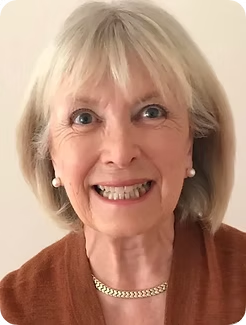
By embedding this evidence-informed and clinically practical guidance into routine eye care, clinicians can improve early recognition of CBS, reduce stigma and ensure people receive consistent, compassionate support. Alongside the work of organisations such as Esme’s Umbrella, the guidance represents an important step forward in improving care and quality of life for people living with Charles Bonnet syndrome.