
Ophthalmology accounts for nearly 10 per cent of all NHS hospital appointments (the busiest of all medical specialties), and this number has risen by 37.6 per cent in the last decade. It is now even more critical that advances in imaging (eye scans), visual assessment, artificial intelligence (AI), and digital innovation should be combined to speed up the approval and use of experimental diagnostics and technologies.
It is vital that we bring world-leading expertise out of specialised centres into the community and home, thereby reducing the burden of hospital care, and addressing diverse needs across the UK.
For the next five years, we will focus on the three diseases that account for most visual impairment in the UK: age-related macular degeneration (AMD), diabetic retinopathy, and glaucoma and our understanding of these common eye conditions.
Aims
Expertise and infrastructure
We will use our imaging expertise and infrastructure to speed up the study and trials of robotic delivery of new therapies (stem cell and gene therapies) in surgery. In tandem, develop newer, more sensitive, precise and cost-effective visual assessment in clinical trials.
Technological Innovation
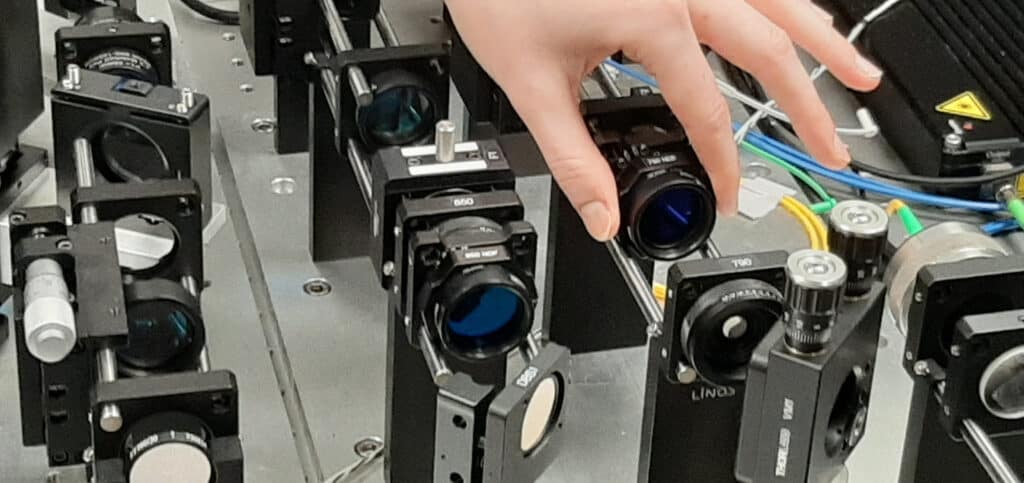
We will use techniques from astronomy to develop better eye imaging as well as new techniques to understand visual function in the brain, how it changes and how it responds to treatment.
Community-centred diagnostics
We will develop new forms of ophthalmic diagnostics which are more mobile, more portable, more user-friendly, and more automated. Enabling us to bring world-class expertise closer to patients in their communities and homes. We will do this by developing new devices for use in the community as well as software to support new technologies for high street optometrists.
Theme Co – Leads

Prof.
Marinko Sarunic
View academic profile

Prof.
Pearse Keane
View academic profile
Imaging, Visual Assessment and Digital Innovation
Ophthalmology accounts for nearly 10% of all hospital appointments, how do we manage this growing figure?
We are focusing on the three most common diseases: AMD, diabetic retinopathy and glaucoma
We are combining advances in imaging (eye scans), visual assessment, artificial intelligence (A.I), and digital innovation to speed up services and research
We are using techniques from astronomy to reveal cell function in the retina that activates responses in the brain
We are improving and studying robotic delivery of treatments in surgery
We use our digital expertise to improve research capabilities and to bring services into the community and homes
N I H R Moorfields Biomedical Research Centre
Spotlight story
Moorfields and DeepMind: bringing A.I. closer to the eye clinic
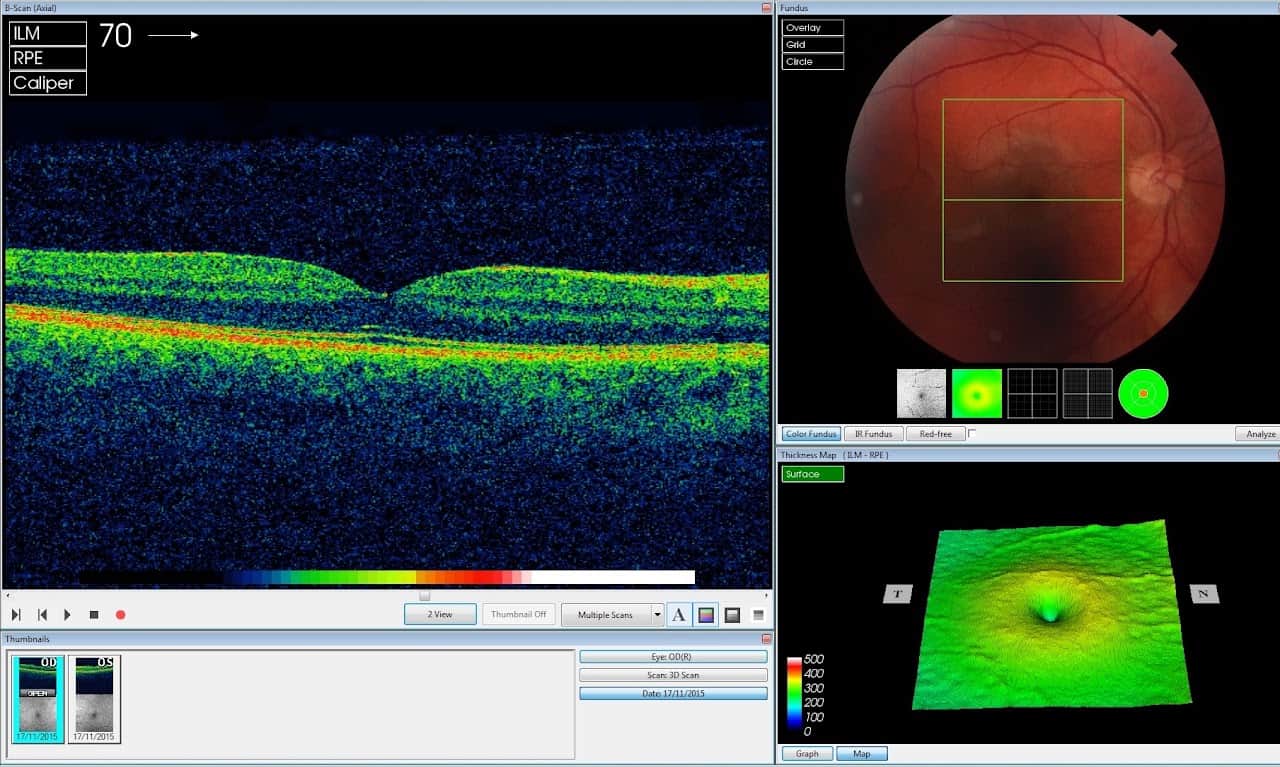
In 2015, Pearse Keane Consultant Ophthalmologist initiated a collaboration between Google DeepMind and Moorfields to develop the use of Artificial Intelligence (AI) in detecting early-stage wet AMD through eye scans.
News

Eye scans detect signs of Parkinson’s disease up to seven years before symptoms emerge
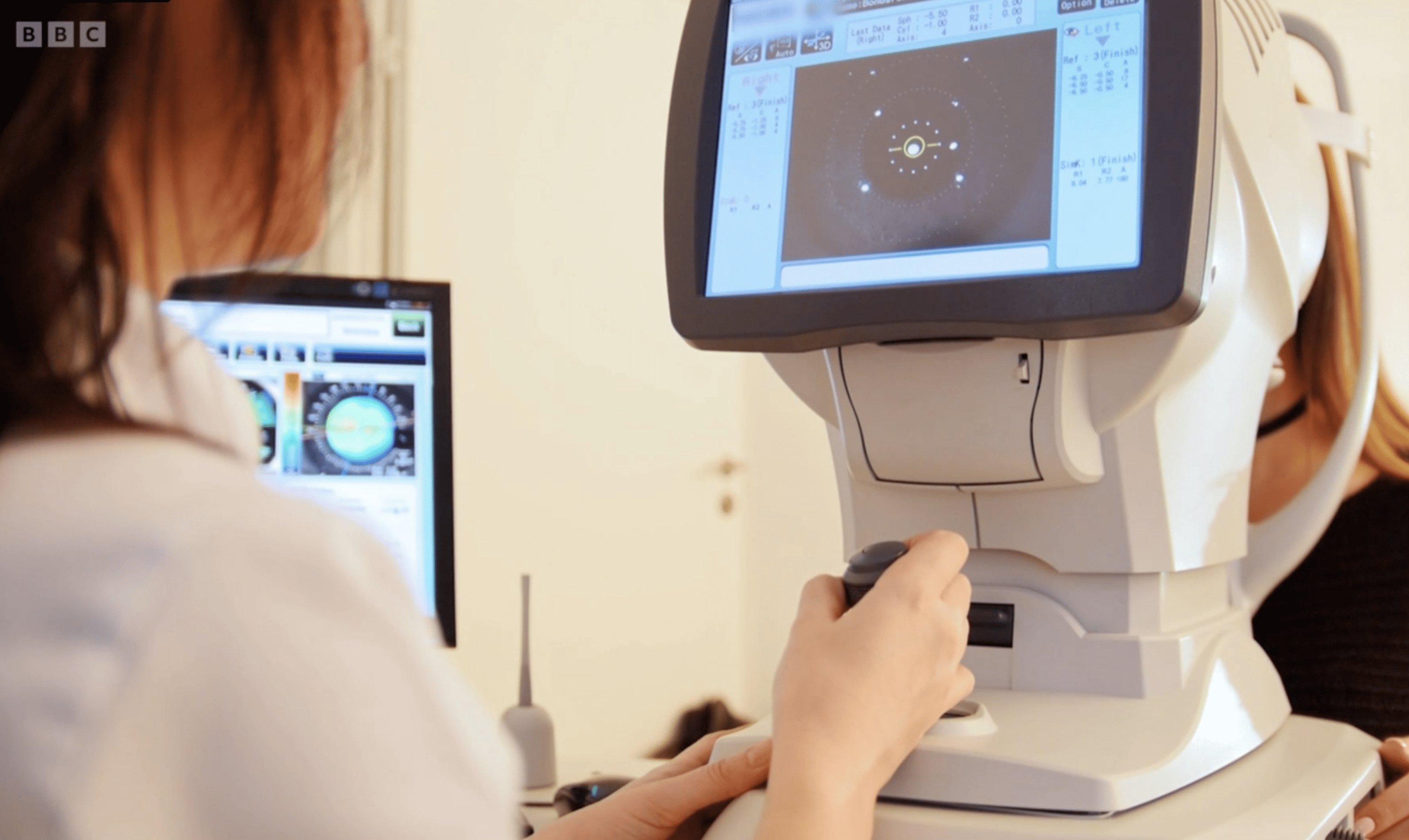
Signs of Parkinson’s disease in eye scans featured on BBC News