There are many rare diseases effecting the eye and vision, from genetic conditions like Retinitis Pigmentosa, Usher Syndrome and Stargardt Disease to conditions present from birth like Coloboma and Anophthalmia to neurological condition Charles Bonnet Syndrome where loss of sight triggers hallucinations.
Research groups spoke with staff, patients and the public about their current work and showed them how they solve problems in different and innovative ways.
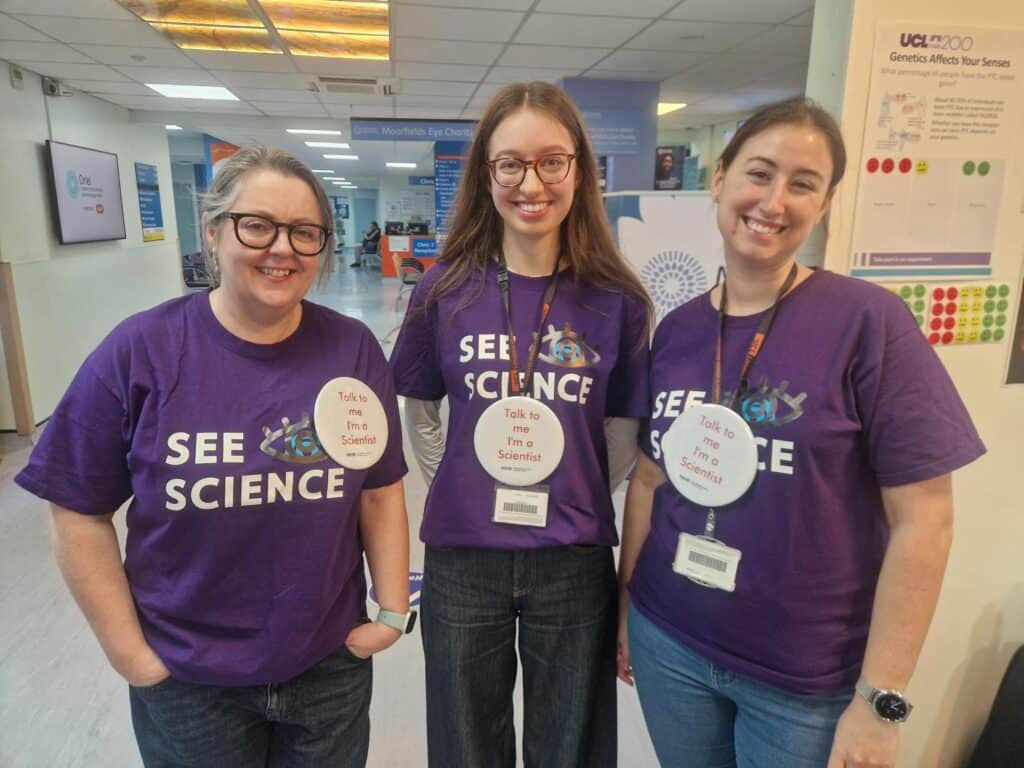
The Carr Lab, one group present on the day, uses stem cells created from patients in their research. Stem cells can grow or differentiate into every type of cell and then organ in the body. The process of growing eye cells ‘in a dish’, a common research technique helps the lab to finely study the reasons behind rare eye disease. Small changes in our genes make us all different and can affect our senses, in vision, these changes can be complex and difficult to detect.
Researchers from this lab have found ways to show their work in engaging ways:
- To show the effect of differences in our DNA they use a taste test containing specific flavours. Some people can taste them all, whereas others can only taste one or two, and this is all down to Our own unique genetic code
- They have created a board game where stem cells must ‘choose their fate’ providing a fun way to present the stem cell process.
It was wonderful to take part in the Rare Disease Day event again this year. We had insightful conversations with Moorfields patients, staff and volunteers, helping to raise awareness of the research we do at the institute, particularly around stem cell research and genetics. Thank you to everyone who engaged with us. It truly felt like a two‑way exchange: we learned more about the challenges patients and staff face, and we were able to share some hope about the future of cutting‑edge therapies emerging in the eye field.
Research Fellow Ana Alonso-Carriazo Fernandez
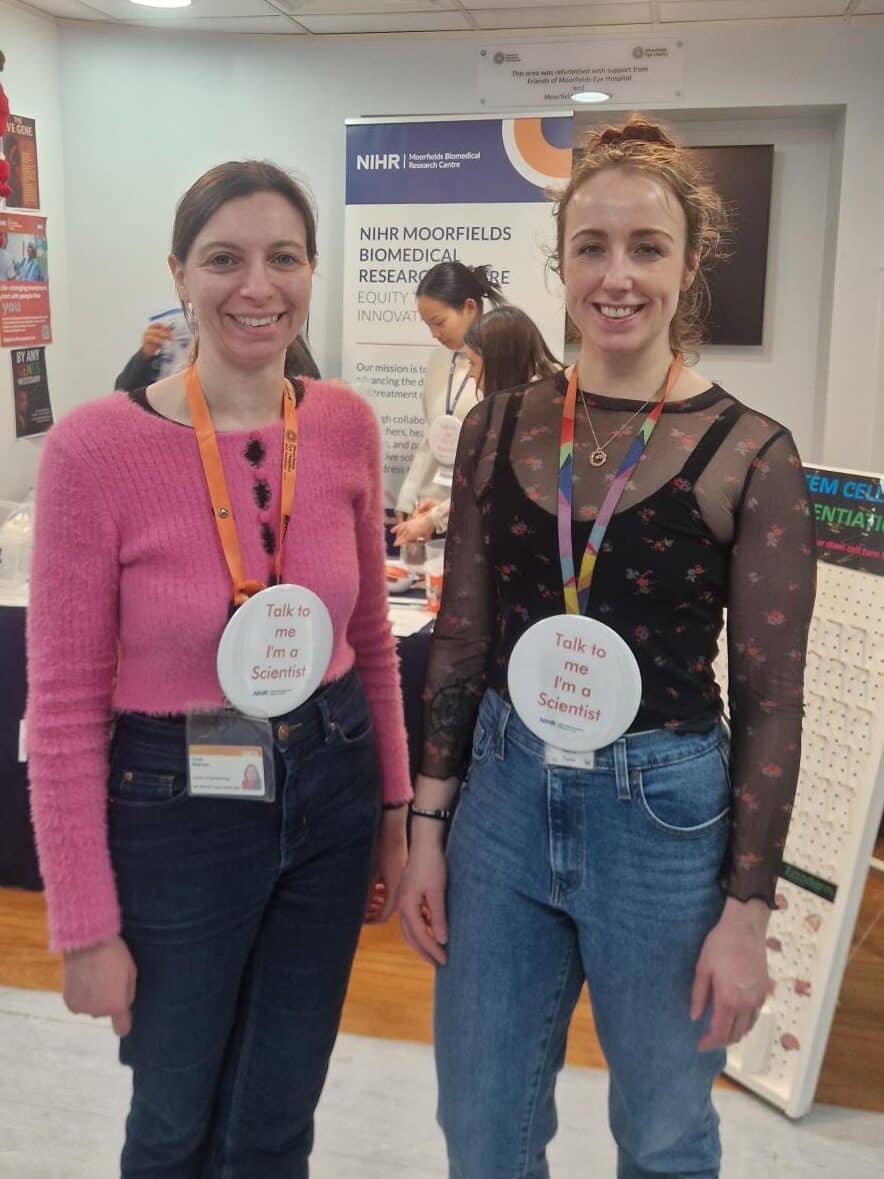
The Moosajee lab also studies genetic eye diseases. Their work ranges from identifying genes responsible for disorders such as microphthalmia, anophthalmia, and coloboma to studying how already identified disease‑causing genes alter eye development. To do this, they also grow stem cells into eye tissues or models to compare with typical development. They work on new drug therapies for inherited retinal diseases such as Usher syndrome and Stargardt disease, testing treatments in the eye models alongside ongoing clinical trials.
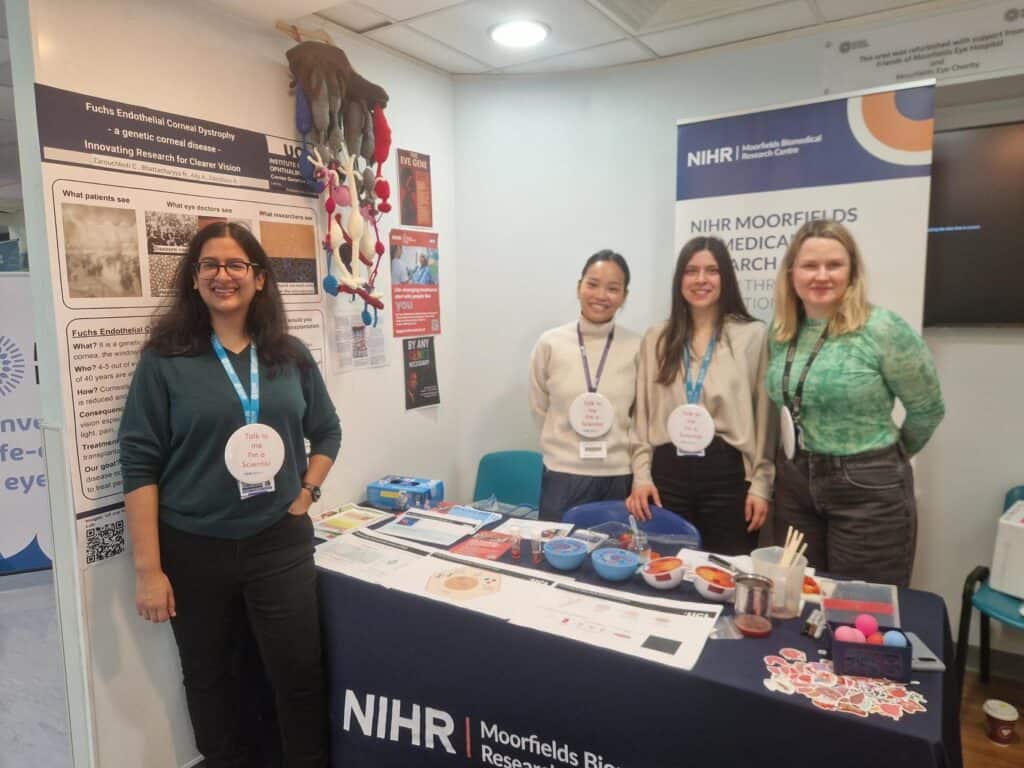
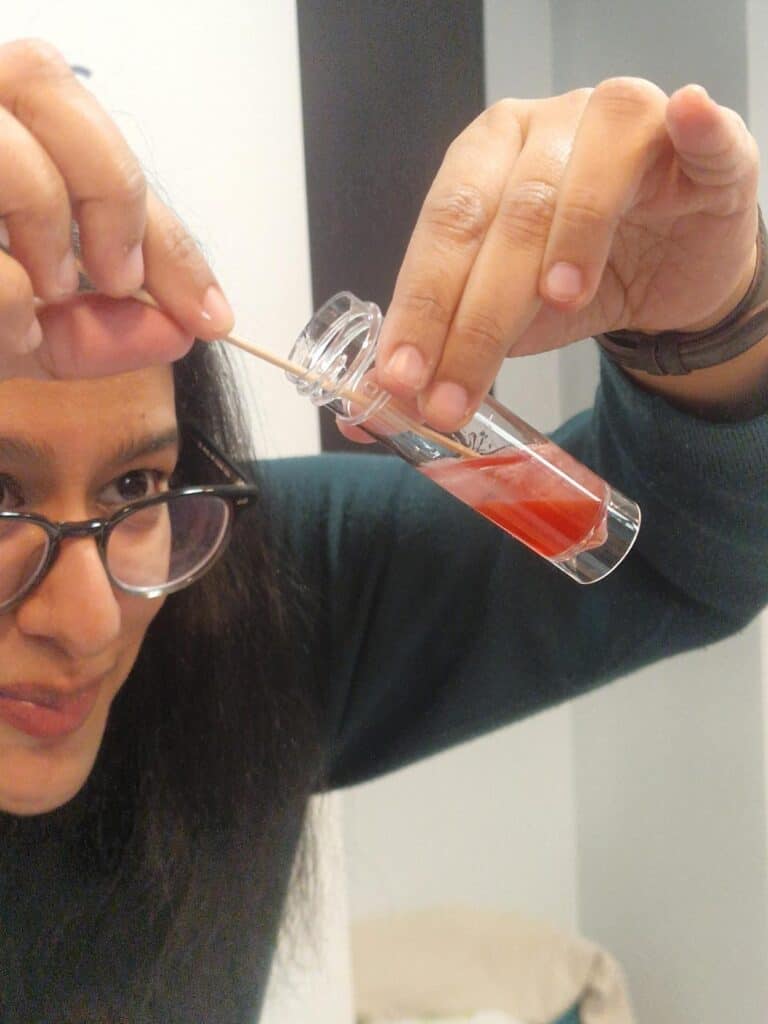
The Inherited Corneal Disease lab, led by Prof. Alice Davidson, spoke about their work in genetic eye condition Fuchs Endothelial Corneal Dystrophy (FECD), the mechanisms of the condition and possible treatments. The team took a poll on preferred treatments options and presented demonstrations of extracting DNA from strawberries. They discussed how exciting it is that the same could be done with a sample from any living thing at home!
It was great to connect with Moorfields staff and patients and make rare disease research a little more hands-on and fun! I really appreciated the opportunity to engage the public and highlight the exciting research underway in rare diseases.
Research Fellow Nihar Bhattacharyya
At NIHR Moorfields BRC and CRF our researchers work on discovering causes and mechanisms of diseases and disorders. We develop and test new diagnostic tools, treatments and therapies. This work aims to prevent deterioration in sight and optimise quality of vision and treatments which in turn impacts independence and quality of life for people who have a rare condition, creating equity through innovation.
The Friends of Moorfields work tirelessly with patients and visitors to Moorfields to support and engage on their conditions with kindness. Making real their vision to ensure everyone visiting the hospital has the best possible experience.