“The recipients of this year’s medals and awards have all made outstanding contributions to science and its applications for the benefit of humanity.
Sir Adrian Smith, President of the Royal Society
They have done so through by furthering our understanding of the processes that govern the world around us, changing the practices of academia to build a more robust and inclusive research environment, and engaging new audiences.”
Among Keane’s achievements is introducing the term oculomics as a way to use the eye as a window to the body’s health. The retina in the back of the eye allows us to directly view the vascular and the nervous systems and examining significant layers of the retina, researchers and clinicians will be able to predict conditions using AI. These conditions include high blood pressure and detect early signs of Parkinson’s disease, potentially seven years before a standard diagnosis.
Under Keane’s leadership, the UK INSIGHT Health Data Research Hub was established, and he was appointed Director. It is the world’s largest ophthalmic bio-resource, with over 35 million eye images linked to clinical data. They provide approved researchers with access to datasets, supported by data curation expertise, AI infrastructure, and patient involvement. The company grew out of Keane’s 2015 collaboration with DeepMind Technologies (now Google DeepMind), supported by Moorfields and by the leadership of Sir Peng Khaw at UCL.
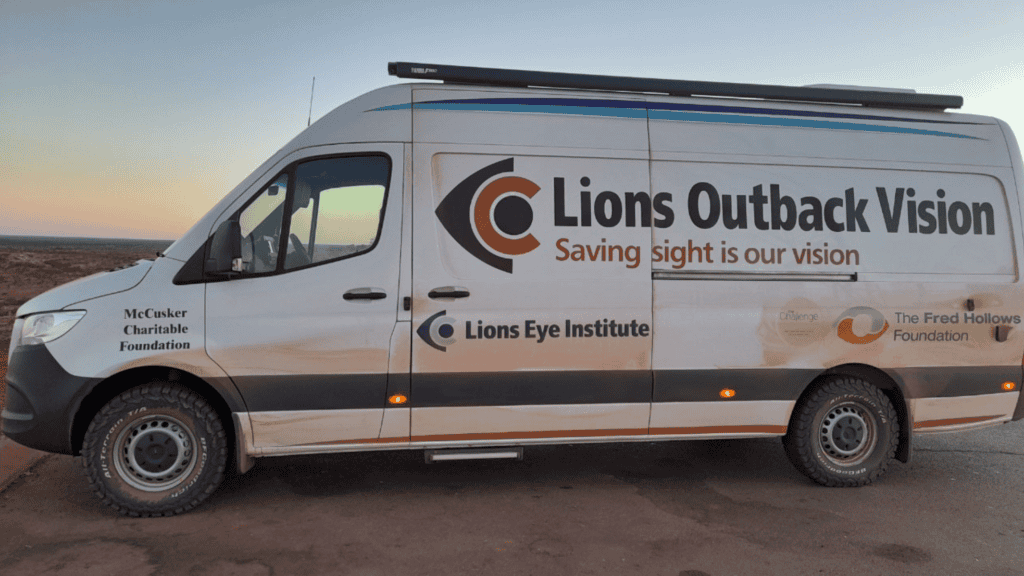
He reached remote populations in outback Australia with a novel AI system, tackling eye health inequalities. A mobile retinal camera in a van with fully integrated artificial intelligence (AI) was deployed in remote Western Australia in an effort to prevent rural and Indigenous Australians from going blind from Diabetic Retinopathy (DR), a sight-threatening condition that disproportionately affects Australians in outback regions, and is the leading cause of blindness globally in working-age people.
Prof Keane’s innovative work is helping to reshape the future of ophthalmology, using AI to enhance diagnosis, improve health outcomes, and reduce inequalities in access to care.