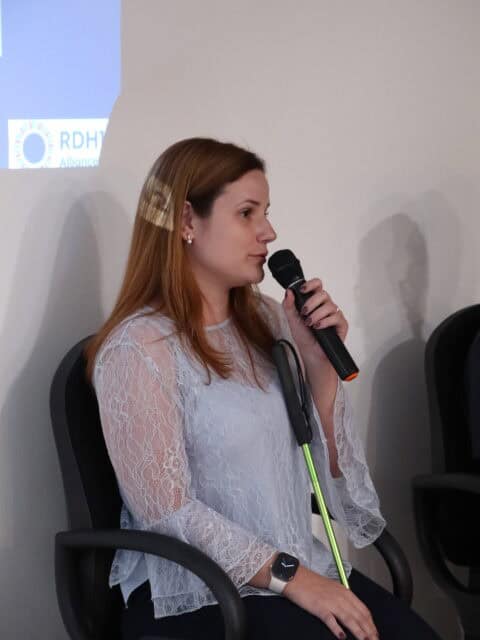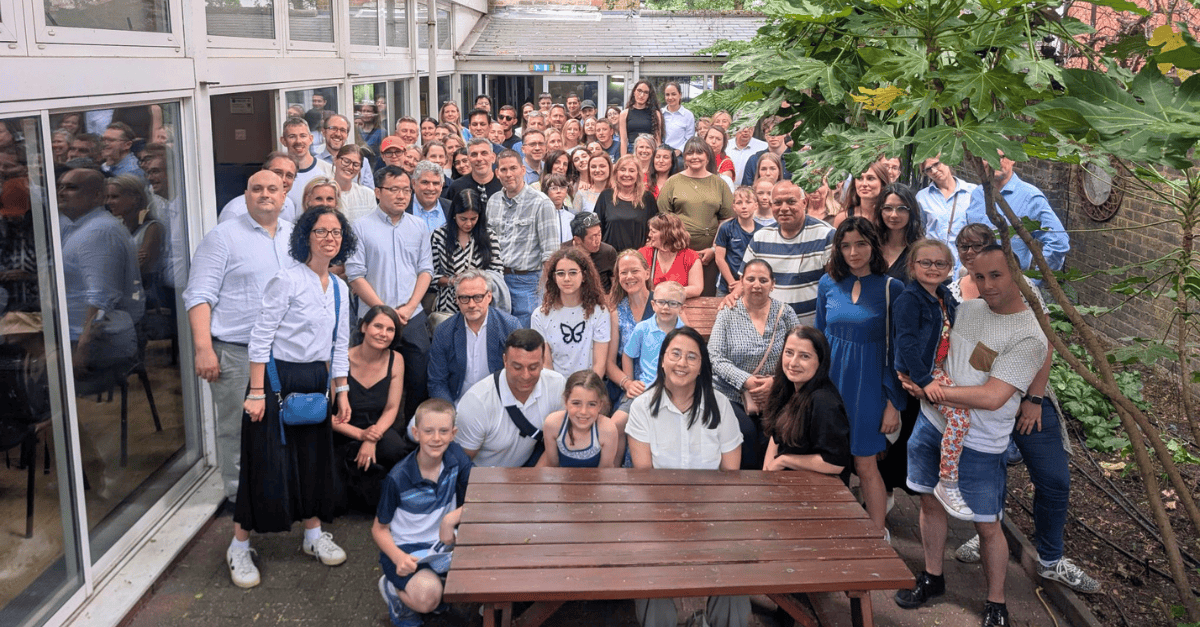
The RDH12 Family Conference, held on 20 June 2026 at St Luke’s Community Centre, and supported by our BRC, opened with Silvia Cerolini from the RDH12 Alliance and Professor Mariya Moosajee from UCL and Moorfields Eye Hospital. They celebrated the achievements of the RDH12 community with Silvia discussing the impact of grassroots fundraising, with the Alliance having raised more than $6 million to support RDH12 treatment research.
Advances in RDH12 gene therapy
Professor Bart Leroy from the University of Ghent opened the morning of scientific discussion by giving the background of the biology of RDH12, including the role of rods, cones and retinal pigment epithelial (RPE) cells. He shared findings from the Early-Onset Retinal Dystrophy (EORD) study, which investigated the disease in 29 patients from 20 families.
Professor Tomas Aleman from the University of Pennsylvania then discussed some of the challenges of understanding RDH12 disease and preparing patients for clinical trials. His research over time has revealed vital links between retinal structure and function, ensuring that researchers now understand which cells are affected and how.
A major highlight was an update from Dr Sally Tucker from Opus Genetics, who presented progress on the EAGLE gene therapy study. EAGLE is a first-in-human trial expected to begin in Q3 2026. Dr Tucker’s presentation brought excitement among the patient and family audiences as Opus’s gene therapy is closer to becoming a viable treatment option.
Dr Cheng Wang from InnoVec Therapeutics shared promising early clinical experience from China, where gene therapy has been delivered to patients aged 10–40 years with severe visual impairment.
Researchers from the Moosajee lab also discussed future approaches to improving treatments, including optimising delivery methods and exploring small molecule therapies through retinal models ‘grown in a dish’.
From lab research to patient impact
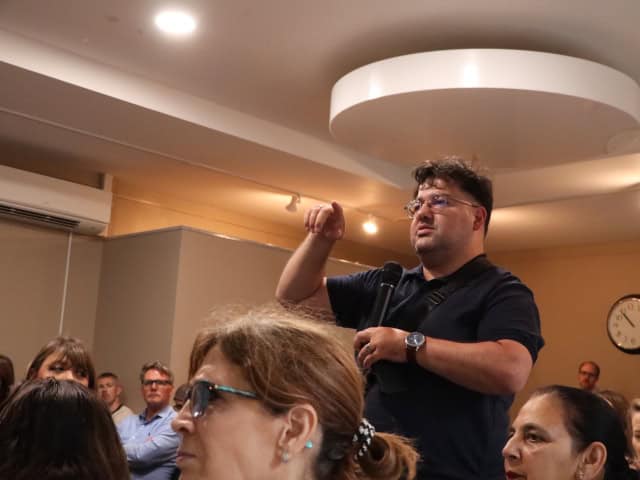
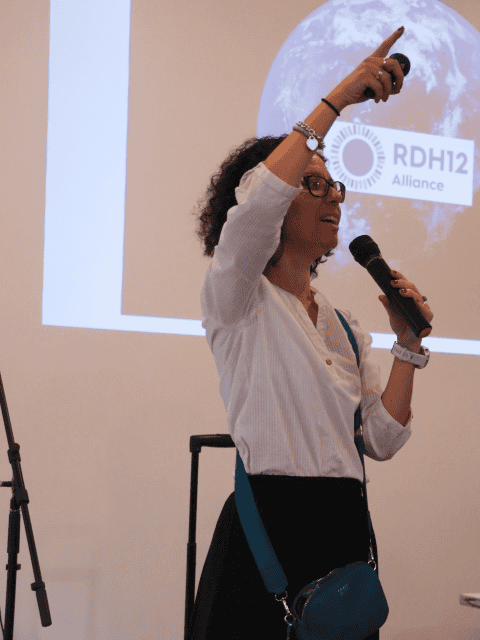
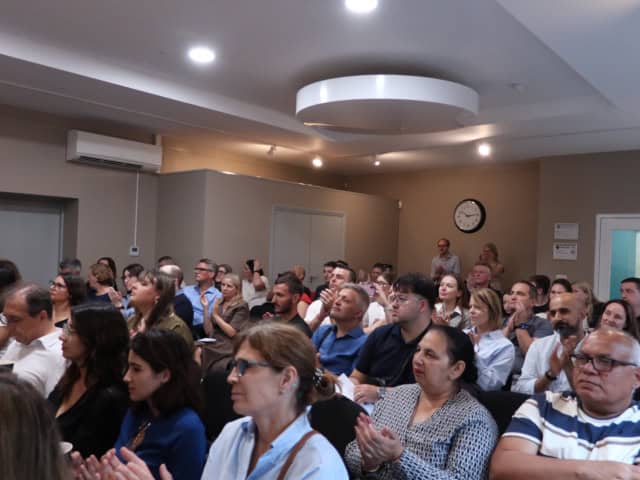
An expert panel, moderated by Mat Pletcher from the RDH12 Alliance, answered questions from the audience about clinical trials, international approval processes and the promising future of gene therapy. The panel discussed the potential for treatments to improve vision, noting that while restoring complete vision may not be possible yet, future therapies could help remaining retinal cells function better and restore some sight.
The ‘Living with RDH12’ panel focused on the experiences of people living with sight loss as a result of RDH12. Speakers shared strategies for adapting to reductions in vision, using technology and ensuring confidence and independence in everyday life.
Professor Matteo Madotto from the University of Sussex spoke about adapting to vision loss through tools such as screen readers and changing how he approaches everyday tasks. Seema Flowers from Blind Ambition highlighted the importance of allowing people with visual impairment to define their own independence and encouraged parents to support children in developing confidence and self-advocacy.
The conference closed by celebrating the families and volunteers increasing awareness and driving fundraising campaigns. Allison Galloway from the RDH12 Alliance highlighted the impact of community fundraising, including her own work raising $450,000 over nine years.
Families and individuals shared their experiences of turning their personal experiences into positive action, raising funds and awareness to accelerate research.
Closing the event, Silvia Cerolini reflected on how far the RDH12 community has come, from a small group of hopeful families to a global network now supporting in-person clinical trials, potential new treatments and bringing hope and comfort to each other.
The conference demonstrated the importance of collaboration with patients, researchers and clinicians in bringing hope of treatments and solutions closer for people affected by RDH12.