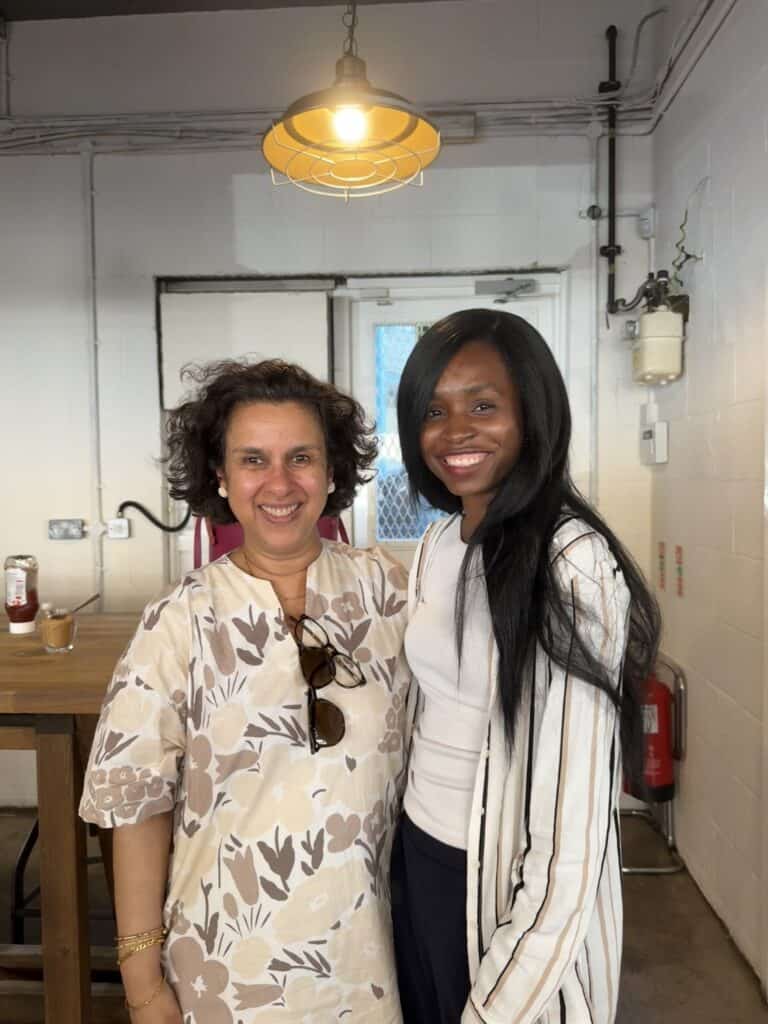
One of the things I enjoy most about public health is translating complex research into ideas that people can connect with and understand. That is one of the reasons I have kept returning to Moorfields Coffee Hours since I started volunteering with the Health Information Hub at Moorfields Eye Hospital over a year ago. As a Public Health student, these sessions have become one of my favourite ways to learn about research that is shaping the future of eye care in the UK and beyond. Just as valuable are the conversations that follow, where patients, carers, clinicians, researchers, and members of the public all contribute their own perspectives and experiences.
The recent Coffee Hour on 27 May 2026, led by Professor Jugnoo Rahi, explored childhood vision impairment through the lens of population health research. The discussion left me reflecting on something we often talk about in public health: the importance of the first 1,000 days of life.
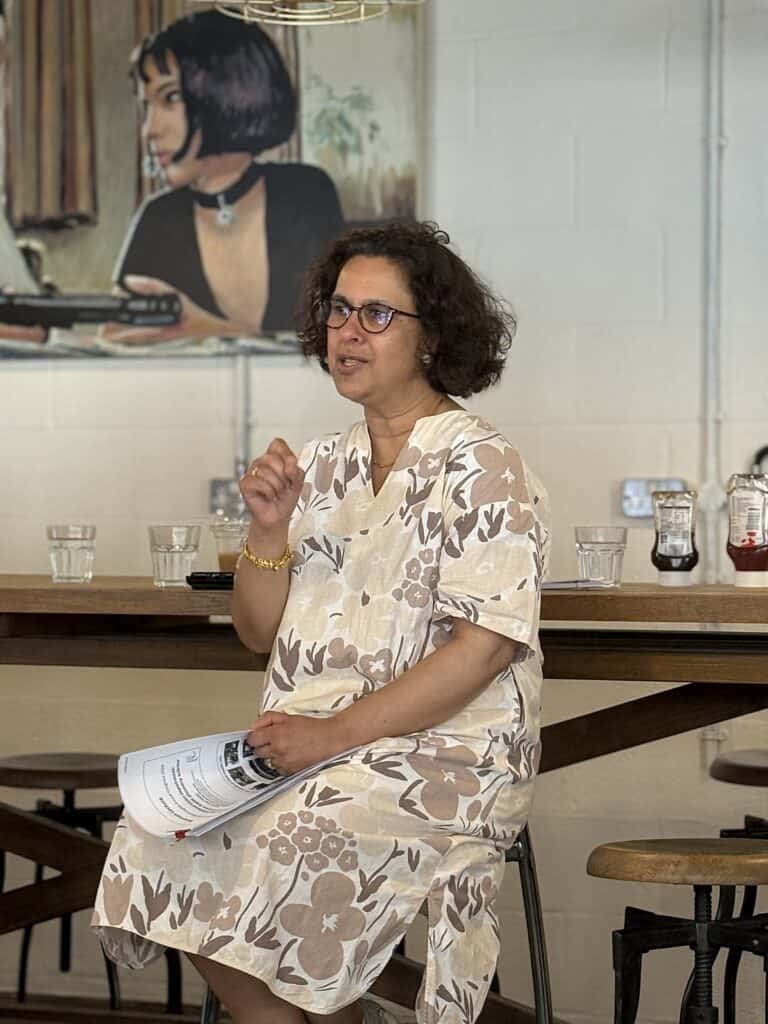
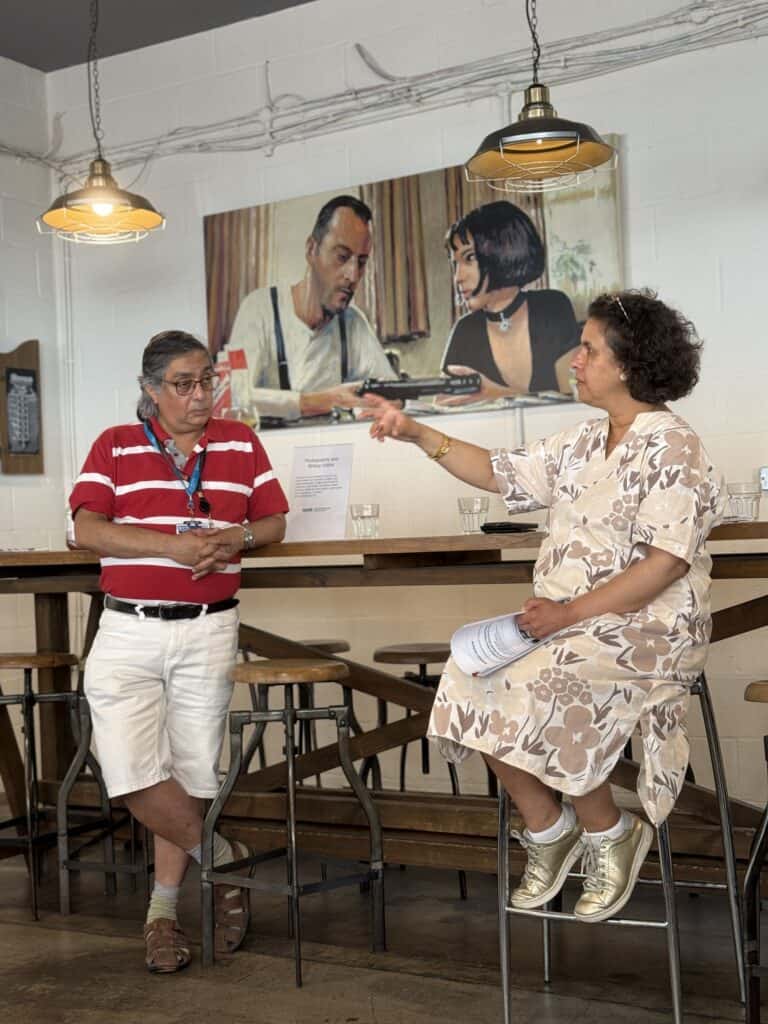
Professor Rahi highlighted how several studies have shown that the first 1,000 days are critical for a child’s development. During this period, the brain develops rapidly, laying the foundations for learning, communication, movement, and social interaction. Vision plays a vital role in that process. When vision problems are not identified and addressed early, the impact can extend far beyond sight itself.
I found this perspective particularly inspiring because it demonstrated how clinical ophthalmology, population health science, and patient experience can come together to improve outcomes for children and young people living with sight impairment.
What particularly resonated with me was the focus on listening directly to children. Over the last decade, researchers have worked with more than 700 children, young people, and families to understand what it actually means to live with vision impairment. Rather than focusing only on what children can see on an eye chart, the research explored how vision impairment affects confidence, friendships, education, independence, and everyday life.
This was why I remembered her clearly saying: “The best measure of the quality of healthcare is what the people who received it say about it.” That idea sits at the heart of this work. By creating ways for children to describe their own experiences, researchers can better understand whether treatments, support services, rehabilitation programmes, and educational interventions are genuinely improving lives.
“The best measure of the quality of healthcare is what the people who received it say about it.”
Prof. Jugnoo Rahi
The discussion also highlighted the connection between visual health and wider inequalities. Evidence presented showed that even mild vision impairment can affect educational attainment, wellbeing, employment opportunities, and social participation later in life. Early-life disadvantages and wider social factors can also shape visual outcomes, reinforcing the importance of addressing visual health from the very beginning of life.
To wrap up the session, Prof. Jugnoo had a simple guide question for anyone working on research: Always ask “So what?” In other words, how will this work improve lives? For me, that is exactly what impactful public health research should do; generate evidence that leads to meaningful change for the people it is intended to serve.
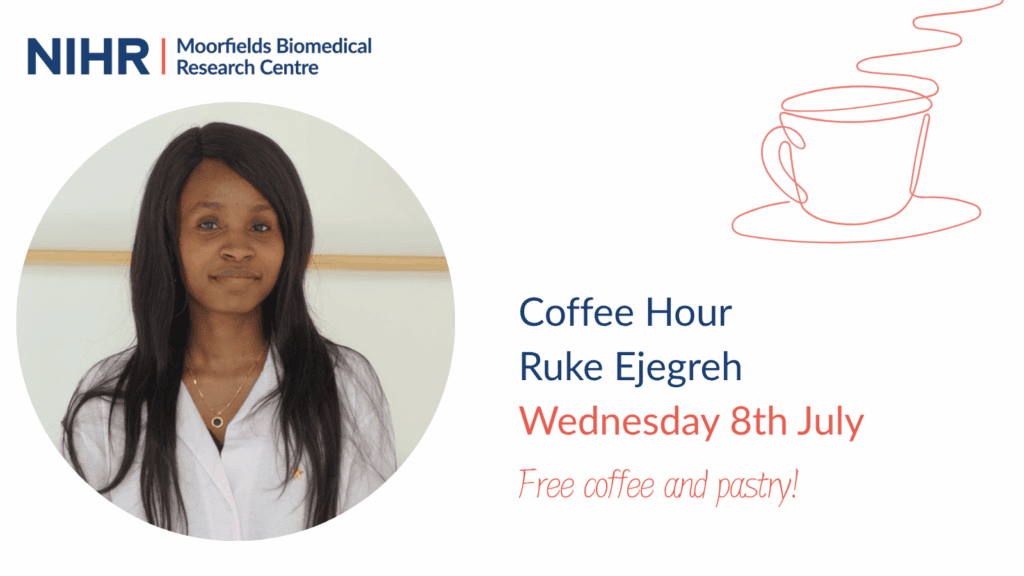
Our next Coffee Hour will take place on the 8th of July with Ruke Ejegreh, who will speak about glaucoma prevalence, risk factors and healthy ageing among adults in the UK using public health frameworks.