Known as CADMUS, the dataset contains almost one million anonymised eye images linked to clinical information from more than 22,000 patients treated at Moorfields Eye Hospital. The data has been made available to researchers through INSIGHT, the Eye and Oculomics Health Data Research Hub.
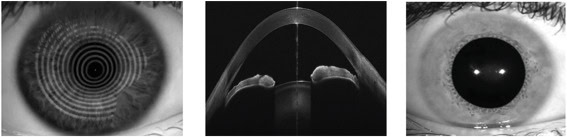
Image reproduced with author permission under a Creative Commons Attribution 4.0 International Licence.
Conditions affecting the front of the eye including cataracts and keratoconus are among the leading causes of vision loss worldwide. However, researchers have had access to relatively few large datasets to help them better understand these conditions and develop new ways to diagnose and treat them.
CADMUS helps address this gap by bringing together eye scans, photographs and clinical information collected during routine patient care. Because many patients were seen over several years, the dataset will also help researchers understand how eye conditions change over time and how treatments affect outcomes.
The project was led by Dr Shafi Balal, an ophthalmic surgeon at Moorfields Eye Hospital and NIHR doctoral fellow at UCL, together with Professor Bruce Allan, consultant ophthalmic surgeon at Moorfields Eye Hospital and honorary professor at UCL.

With support from the NIHR Moorfields Biomedical Research Centre (BRC) and Moorfields Eye Charity, researchers are already using CADMUS to develop new artificial intelligence (AI) tools that could help improve the detection and monitoring of eye disease in the future.
The dataset has been published in the journal Ophthalmology Science and is available to approved researchers through INSIGHT’s Data Use Application process.
By supporting resources such as CADMUS, our BRC is helping researchers harness the power of data and AI to better understand eye disease and develop new diagnostic tools to improve patient care.